
01
Press & production path
The same job can produce different economics depending on the equipment and production method used. The review starts with whether the chosen route fits the quantity and specification.
Value engineering means reviewing the complete print job before production begins: press choice, finished size, paper, artwork, coating and finishing. The aim is to improve value without losing sight of how the finished piece needs to perform.
A print specification can look complete and still leave room for improvement. The current Canada Print Services value-engineering approach is to look beyond the supplied quantity and ask how the job will actually be produced, finished and used.
That can mean comparing one press configuration with another, adjusting a finished size to use the parent sheet more efficiently, or reviewing whether the selected paper is heavier than the project needs. It can also mean catching a stock choice that may not fold cleanly, or identifying artwork details that may not reproduce in print the way they appear on screen.
Finishing is part of the engineering decision too. Coating, binding, die-cutting, scoring and folding can change both the appearance of the piece and the production path. A small specification change early in the job can be more useful than trying to solve the same problem after the sheet is already printed.
The point is not to make every project cheaper. The point is to make sure the money is being spent on the parts of the job that actually support the final result.
These are the areas highlighted by the existing Canada Print Services page and reorganized here into a clearer production framework.
The same job can produce different economics depending on the equipment and production method used. The review starts with whether the chosen route fits the quantity and specification.
A slight change in finished size can sometimes allow more pieces to fit on a sheet, reducing waste and changing the efficiency of the full run.
Stock influences brand perception, weight, foldability and handling. Heavier is not automatically better, and some papers are simply a poor fit for the intended finishing.
Fine type, reversed text, dark backgrounds and colour choices can behave differently in print than on screen. Production review can flag those risks before the press run.
UV coating, matte finishes and other surface choices change appearance, handling and the production path. They should support the purpose of the piece.
Scoring, folds, binding and die lines can determine whether a job runs efficiently by machine or becomes unnecessarily labour-intensive after printing.
The existing page uses an annual report as its example. This redesign turns that idea into a visual review board instead of another long text section.
The client arrives with the artwork, quantity and a preferred paper/finish combination. A standard quote could stop there.
Before production, look for alternatives that make sense for the final piece.
Canada Print Services also applies the value-engineering idea to repeat projects. A recurring brochure, report or print program can be reviewed again when quantities, technology, finishing or business requirements change.
Use the previous specification and actual use as the baseline.
Review quantity, format, technology, materials and finishing options.
Re-engineering does not mean changing the specification for the sake of change.
For repeat work, preserve the approved specification for the next production cycle.
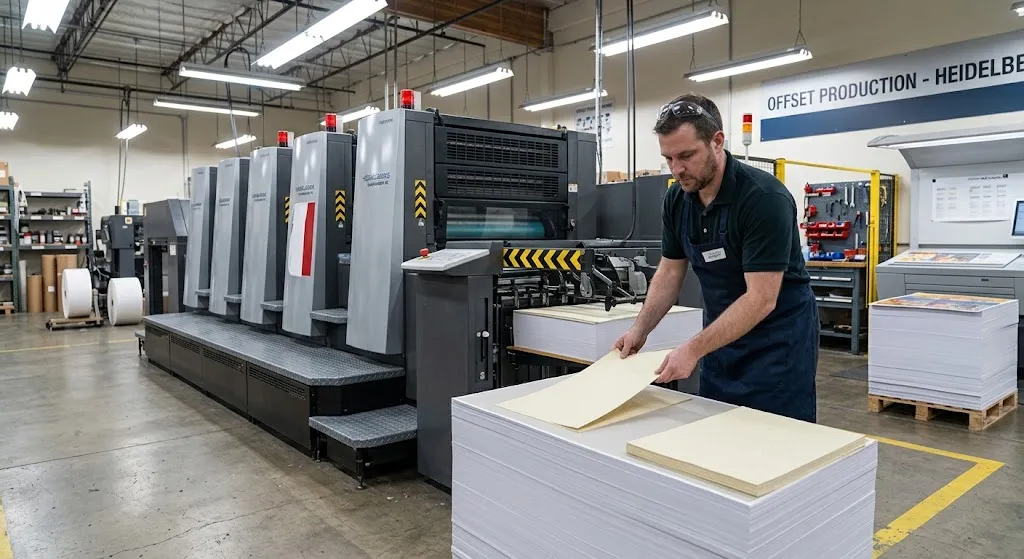
The existing Canada Print Services page positions this work as a behind-the-scenes service involving print experts, production and other project stakeholders. The redesigned page keeps that idea but presents it as practical production planning rather than jargon.
If you have an upcoming annual report, brochure, booklet, repeat form or other commercial project, send the existing specification and intended use. Canada Print Services can review where value-engineering opportunities may exist.