Pre-Event Printing Checklist: Your Guide to Toronto Trade Show Success

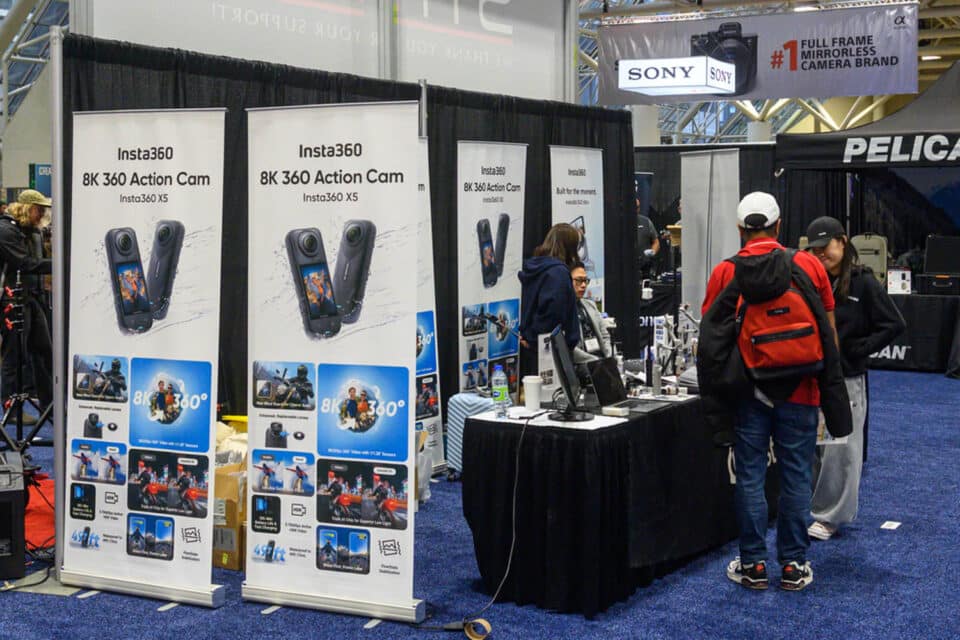
Trade shows are one of the most effective ways to showcase your brand, connect with potential customers, and generate qualified leads. Whether you’re preparing for the Canadian National Exhibition (CNE), the Canadian International AutoShow, The Buildings Show, or one of the many industry events hosted at the Metro Toronto Convention Centre, your printed materials often make the first impression long before your sales team starts a conversation.

Even the most eye-catching booth can fall short if banners arrive late, brochures contain outdated information, or business cards run out halfway through the event. That’s why having a pre-event printing checklist is essential for businesses exhibiting at trade shows in Toronto. From eye-catching booth graphics to professional marketing materials, every printed piece contributes to your brand’s credibility and helps create memorable interactions with attendees.

Whether you’re a startup attending your first expo or an established business exhibiting at one of Toronto’s largest conventions, following a structured printing checklist will help you stay organized, avoid costly mistakes, and arrive at your event fully prepared.

Why a Pre-Event Printing Checklist Matters

Trade shows are fast-paced environments where every interaction counts. Visitors often decide within seconds whether they’ll stop at a booth, making your presentation one of your strongest marketing assets.

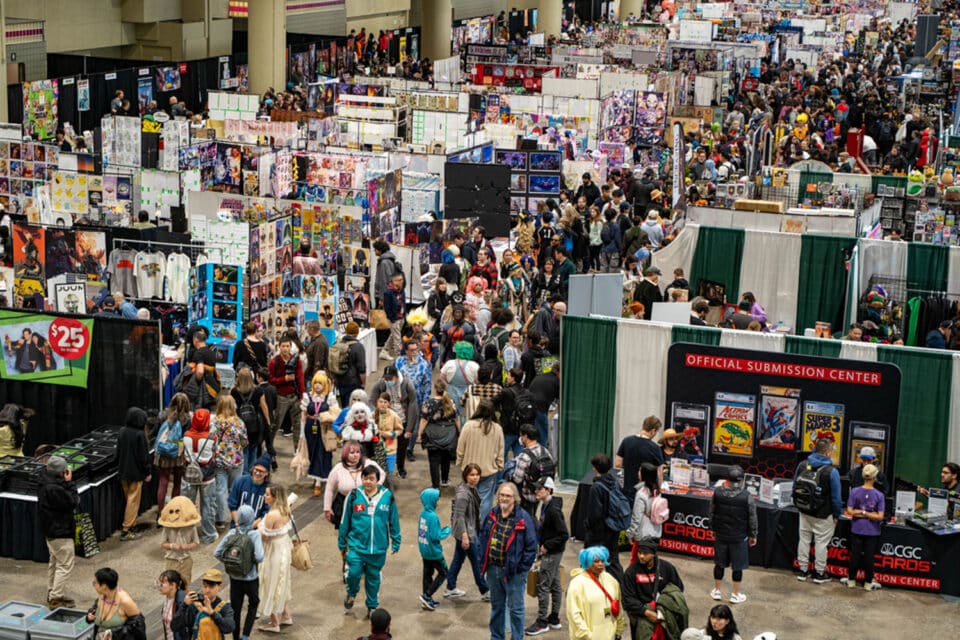
Toronto hosts hundreds of trade shows, conventions, and expos each year, attracting attendees from industries such as construction, automotive, healthcare, technology, retail, hospitality, and manufacturing. At large events, attendees may visit dozens of exhibitors in a single day. High-quality printed materials help your business stand out, communicate your message quickly, and leave a lasting impression long after the event ends.

A well-planned printing checklist helps you:

  • Stay organized before the event
  • Avoid expensive last-minute reprints
  • Maintain consistent branding across all materials
  • Prevent missing essential marketing pieces
  • Present a polished and professional image
  • Maximize your trade show return on investment (ROI)

Planning ahead also gives your print provider enough time to review artwork, produce high-quality materials, and resolve any unexpected issues before event day.

Start with Clear Trade Show Goals

Before placing a single print order, determine what you want to achieve from the event.

Ask yourself:

  • Are you launching a new product?
  • Do you want to generate qualified leads?
  • Is your goal to increase brand awareness?
  • Are you booking consultations or product demonstrations?
  • Are you promoting a limited-time offer?

Your objectives should guide every printing decision.

For example, a mining technology company exhibiting at PDAC may require large-format booth graphics, technical product brochures, and branded presentation folders to showcase complex equipment and innovations. Meanwhile, a manufacturer exhibiting at The Buildings Show might focus on specification sheets, product samples, and QR codes linking to installation guides.

Matching your printed materials to your audience ensures every piece supports your overall marketing strategy while eliminating unnecessary printing costs.

Your Complete Trade Show Printing Checklist

One of the biggest mistakes exhibitors make is remembering the obvious items while overlooking smaller essentials that contribute to a professional booth.

Use this checklist before every Toronto trade show.

Booth Graphics

Your booth should immediately attract attention and communicate your brand.

Include:

  • Retractable banner stands
  • Fabric backdrops
  • Pop-up displays
  • Branded table covers
  • Counter graphics
  • Hanging signs (where permitted)
  • Floor or window graphics

Large-format graphics should always be printed at high resolution to ensure crisp images and vibrant colours.

Marketing Materials

Printed marketing materials continue working long after visitors leave your booth.

Prepare:

  • Company brochures
  • Product catalogs
  • Flyers
  • Sell sheets
  • Service guides
  • Presentation folders
  • Price lists (when appropriate)

Focus on clean layouts, concise messaging, and strong calls to action.

Business Essentials

Networking remains one of the greatest advantages of attending trade shows.

Don’t forget:

  • Business cards
  • Employee name badges
  • Appointment cards
  • Contact sheets
  • Meeting schedules

Even in today’s digital-first environment, professionally printed business cards remain one of the easiest ways to exchange contact information and build lasting business relationships.

Promotional Materials

Give visitors a reason to remember your company after the event.

Popular options include:

  • Promotional postcards
  • Discount coupons
  • Contest entry forms
  • QR code cards
  • Event-specific flyers
  • Loyalty program information

Choose promotional pieces that encourage attendees to visit your website, schedule a consultation, or contact your team after the show.

Printing for Toronto’s Biggest Trade Shows

Each Toronto event attracts a different audience, so your printed materials should reflect the type of attendees you’ll meet.

If you’re preparing for events such as:

  • PDAC Convention – global mining and exploration industry showcase
  • Canadian National Exhibition (CNE) – family?friendly festival with diverse consumer audiences
  • Canadian International AutoShow – automotive innovation and car enthusiast gathering
  • The Buildings Show – construction, real estate, and property management professionals
  • Restaurants Canada Show – foodservice, hospitality, and restaurant industry leaders
  • Interior Design Show (IDS Toronto) – design, architecture, and creative professionals
  • National Home Show – homeowners, renovators, and lifestyle consumers

Consider whether your brochures, signage, and promotional materials speak directly to that audience. Tailoring your messaging to the event can make your booth more relevant and increase engagement with prospective customers.

Review Every File Before Printing

One small mistake can become hundreds—or even thousands—of expensive errors.

Before approving your files, carefully review every detail.

Your quality control checklist should include:

  • Correct spelling and grammar
  • Updated contact information
  • Accurate website URL
  • Current pricing
  • Latest product details
  • Correct logo files
  • Consistent brand colours
  • High-resolution images
  • Proper bleed and trim settings
  • Working QR codes

It’s also helpful to ask someone outside your marketing team to review everything. Fresh eyes often catch mistakes that have been overlooked.

Whenever possible, request a proof before your full print run begins.

Print the Right Quantities

Ordering the right quantity is just as important as choosing the right materials.

Printing too few brochures could leave your booth empty before the event ends, while printing too many may create unnecessary waste and storage costs.

When deciding how much to print, consider:

  • Expected event attendance
  • Number of booth staff
  • Daily visitor traffic
  • Planned giveaways
  • Future events where materials can be reused

If your brochures include pricing or frequently updated information, smaller print runs may offer greater flexibility.

An experienced Toronto print shop can also recommend appropriate quantities based on the size and type of event you’re attending.

Build Your Printing Timeline

One of the easiest ways to reduce pre-event stress is to create a realistic production schedule.

Four to Six Weeks Before

  • Finalize artwork
  • Confirm messaging
  • Review branding
  • Update product information

Three Weeks Before

  • Submit files to your print provider
  • Review proofs carefully
  • Approve final production

Two Weeks Before

  • Receive printed materials
  • Inspect print quality and colours
  • Count all materials
  • Organize transportation or shipping

One Week Before

  • Pack booth materials
  • Label boxes clearly
  • Create an inventory checklist
  • Prepare backup marketing materials

Many of Toronto’s largest trade shows are scheduled months in advance, but print production schedules become increasingly busy as event dates approach. If you’re exhibiting at major events like the Interior Design Show (IDS Toronto) or the Restaurants Canada Show, booking your printing early helps avoid rush fees, production delays, and unnecessary stress.

Pack Extra Supplies for Peace of Mind

Experienced exhibitors know that small backup items often solve big problems.

Along with your printed materials, pack:

  • Extra business cards
  • Additional brochures
  • Tape
  • Velcro strips
  • Zip ties
  • Scissors
  • Pens and markers
  • Cleaning cloths
  • Chargers
  • Extension cords
  • Blank notepads
  • Backup signage

These simple supplies can help you quickly handle unexpected situations while keeping your booth looking professional throughout the event.

Partner with a Trusted Toronto Print Shop

Choosing the right print partner can make a significant difference in your trade show experience.

An experienced Toronto print shop can help you:

  • Select the best materials for your display
  • Recommend durable booth graphics
  • Review artwork before production
  • Meet tight event deadlines
  • Maintain consistent branding across every printed piece

Working with experienced professionals gives you peace of mind, allowing you to focus on preparing for the event instead of worrying about production details.

Your Trade Show Success Starts Before the Event

Successful trade show marketing starts well before the exhibit hall doors open. A detailed pre-event printing checklist helps ensure your booth is organized, your brand is presented professionally, and your marketing materials are ready when attendees arrive.

Whether you’re exhibiting at PDAC, The Buildings Show, the Canadian International AutoShow, or another event at the Metro Toronto Convention Centre, planning your printing early can help you avoid last-minute issues and make the most of every opportunity to connect with potential customers.

Planning for an Upcoming Trade Show in Toronto?

Prepare your booth with confidence by partnering with an experienced print team for high-quality banners, booth graphics, brochures, business cards, and promotional materials. Call (647) 493-1894 to request a free quote or schedule a consultation, and let us help you create professional trade show materials that arrive on time and make a lasting impression.
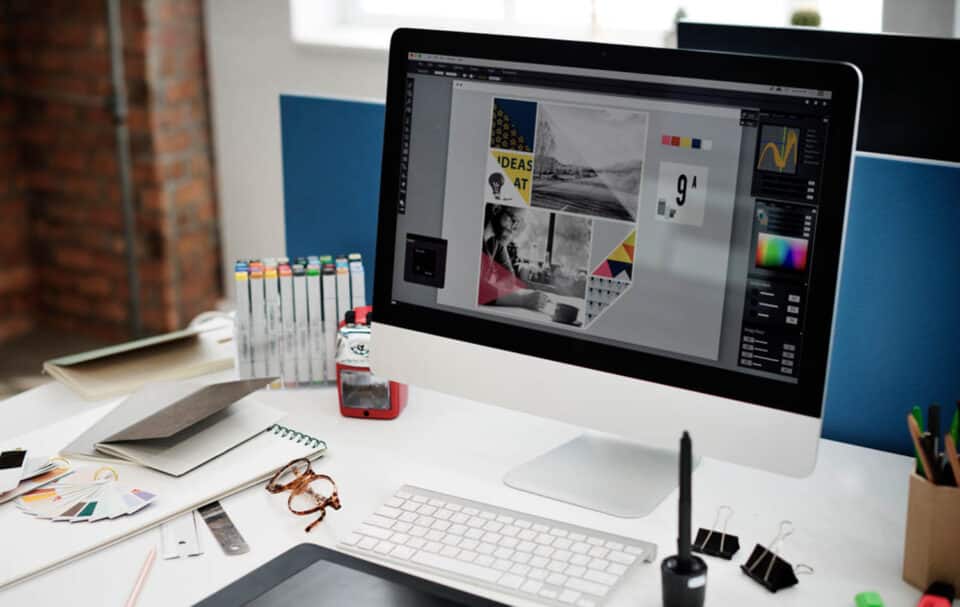

Graphic Design for Printing in Toronto & GTA: Elevating Business Materials With Creative, Professional Design

In a competitive market like Toronto and the GTA, graphic design for printing can make the difference between a printed piece that gets noticed and one that gets overlooked. Whether you are producing business cards, brochures, posters, signs, flyers, packaging, or promotional materials, the visual quality of your finished piece reflects directly on your business.

Great printed materials begin long before ink meets paper. They start with a thoughtful concept, clear messaging, purposeful layouts, and artwork prepared specifically for the production process. When creative planning and professional production work together, the result is a finished product that looks polished, communicates effectively, and represents your brand with confidence.

Why Good Design Matters in Printed Materials

Unlike digital content, physical marketing materials give people something tangible to interact with. A well-designed piece can establish credibility within seconds and help your message stay memorable.

Effective visual communication considers much more than making something look attractive. It combines typography, colour, imagery, spacing, hierarchy, and composition to guide the reader toward the information that matters most.

For example, a professionally designed brochure should make it easy for someone to:

  • Understand what your company offers
  • Find important contact information
  • Recognize your brand
  • Read key messages quickly
  • Take the next desired action

The same principles apply whether you are creating a small business card or a large-format display. Strong visual choices make the information easier to understand while giving the finished material a consistent and professional appearance.

From Creative Concept to Finished Product

Every successful project starts with an idea. Sometimes a client arrives with a complete concept and finished artwork. Other times, they have only a rough idea of what they want to communicate.

That is where professional graphic design services can add significant value.

A local print provider with in-house creative capabilities can help develop original concepts, refine existing artwork, or enhance files supplied by a customer. This can be particularly helpful for businesses that do not have a dedicated creative team.

The process may include:

  • Developing an original visual concept
  • Selecting appropriate fonts, colours, and imagery
  • Improving an existing layout
  • Adjusting artwork for a particular product or size
  • Creating consistent materials across a marketing campaign
  • Preparing files according to production requirements

The goal is not simply to create attractive artwork. The creative work needs to translate successfully into a physical product.

The Importance of Print-Ready Artwork

A design that looks perfect on a computer screen may not automatically produce the same result on paper, cardstock, vinyl, signage material, or another substrate. Production specifications need to be considered before the job reaches the press or finishing equipment.

Properly prepared print-ready artwork helps reduce avoidable problems and gives the production team the information required to reproduce the intended result.

Depending on the project, technical considerations can include:

  • Correct document dimensions
  • Appropriate image resolution
  • Bleed and trim areas
  • Colour settings
  • Font management
  • Proper file formats
  • Placement of important elements within safe areas

This is one reason collaboration between the creative and production sides is so important. A printer can identify technical concerns before they become expensive mistakes, while a designer can make creative adjustments without compromising the original concept.

Designers and Printers: A Better Partnership

The best results usually come from treating design and production as two parts of the same process rather than separate stages.

A designer understands visual communication and brand presentation. A printer understands materials, equipment, finishing techniques, colour reproduction, and the practical limitations of production. Bringing those areas of expertise together can improve both the appearance and efficiency of a project.

For businesses in Toronto and the GTA, working with a local provider can make this collaboration particularly convenient. Questions can be addressed directly, artwork can be reviewed before production, and adjustments can be made with a better understanding of the final application.

A collaborative approach can also help clients choose the right combination of:

  • Paper stock and finishing
  • Size and format
  • Colour treatment
  • Coating or specialty effects
  • Binding or finishing options
  • Quantity and production requirements

The result is a more coordinated process from the initial idea through to the finished piece.

How Custom Print Design Strengthens Your Brand

Consistency is another major benefit of thoughtful creative work. A company may use several types of marketing materials, but they should still feel like they belong to the same brand.

Custom print design allows businesses to create materials around their particular identity rather than relying entirely on generic templates. Colours, imagery, typography, messaging, and layouts can be developed to create a recognizable visual language.

This is especially valuable for local businesses competing for attention in busy GTA markets. A cohesive presentation across business cards, promotional flyers, presentation folders, signage, menus, direct-mail pieces, and other materials can make a company appear more established and trustworthy.

Even small details can have an impact. Consistent spacing, carefully selected imagery, readable type, and high-quality reproduction all contribute to how customers perceive a business.

Choosing the Right Approach for Your Project

Before starting a new project, consider what the printed piece needs to accomplish. A beautiful layout is not necessarily an effective one if the intended audience cannot quickly understand the message.

Ask yourself:

  1. Who will see this material?
  2. What information do they need first?
  3. What action should they take?
  4. Where and how will the piece be used?
  5. What physical format best supports the goal?

Answering these questions gives the creative team and production team a stronger foundation.

It can also prevent common problems such as overcrowded layouts, unsuitable images, difficult-to-read text, or artwork that needs major revisions immediately before production.

Bringing Creative Ideas to Life

Good design and quality production should never operate in isolation. The strongest printed materials come from combining creative thinking with an understanding of how the finished piece will actually be produced.

That means considering the final material, dimensions, colour reproduction, finishing, readability, and intended use while the artwork is still being developed. Early communication between the designer, printer, and client can save time, reduce revisions, and create a more successful final result.

For businesses across Toronto and the GTA, partnering with a local team that understands both creative development and production can make the entire experience smoother. From refining an existing file to developing an original concept, the right expertise can turn an idea into a professional physical piece that customers remember.

When creative expertise and production knowledge come together, graphic design for printing becomes more than an attractive layout—it becomes an essential part of creating printed materials that communicate, build credibility, and help your business stand out.

Why Local Expertise Makes a Difference

Choosing a local provider for printing services in Toronto offers more than convenience. It gives you the opportunity to work with a team that understands both the creative and production sides of bringing your ideas to life.

For businesses across Toronto and the GTA, that relationship can become especially valuable as projects evolve. You may start with business cards and brochures and later need signage, promotional materials, packaging, event displays, or direct-mail pieces. Having a familiar production partner makes it easier to maintain a consistent look and quality across every project.

From Concept to Finished Product

At our company, we support your project from original concepts and ideas through to the finished product. If you already have artwork, we can also edit and enhance existing files to help prepare them for production. Whether you’re starting with a blank page or have an established design, our team can help move your project forward.

We work with all major file types and can help ensure your artwork is suitable for its intended application. If you’re planning your next printed project in Toronto or the GTA, talk to our team about your design and production needs—we’re here to help bring your ideas to life.

Ready to Get Started?

Call now for a FREE quote: (647) 493-1894. Or, schedule a consultation with our team to discuss your project, artwork, and production requirements.

How a Local Printing Company Can Add Value to Your Business

When you work with a local printing company, you gain more than a place to send files and receive finished materials; you gain a partner who can help you make smarter decisions about quality, budget, materials, production, and the way your brand is presented. For businesses throughout Toronto and the GTA, that personal connection can make a meaningful difference, especially when projects involve multiple materials, tight deadlines, or recurring orders.

A good production partner takes the time to understand what you are trying to accomplish. Instead of simply producing what is requested, they can look at the bigger picture and identify opportunities to improve efficiency, control costs, and achieve a stronger finished result.

Your Printer Can Be More Than a Supplier

It is easy to think of a printer as a vendor: you provide artwork, select a quantity, receive a quote, and wait for the finished order. But there is considerably more value available when you develop an ongoing relationship with the team producing your materials.

For a Toronto or GTA business, having someone who understands your company and your typical projects can make future decisions easier. Over time, your production partner may become familiar with your preferred materials, brand requirements, deadlines, and budget considerations.

That familiarity can lead to practical recommendations such as:

  • Choosing a material that provides the right appearance without unnecessary expense
  • Adjusting quantities to avoid excess inventory
  • Finding a more efficient format for a recurring project
  • Identifying production issues before they become costly
  • Suggesting finishing options that support the purpose of the piece
  • Helping you plan ahead for seasonal or high-volume requirements

The value is not simply in producing the finished item. It is in having experienced people involved in the decisions behind it.

Why Local Knowledge Creates Business Value

Working with a nearby provider can make communication more personal and responsive. Instead of relying entirely on automated ordering systems or generic specifications, businesses have an opportunity to discuss their requirements directly with people who understand the production process.

For companies searching for printing services in Toronto, this can be particularly useful when a project does not fit neatly into a standard product category.

Perhaps you need a specific size, a particular stock, a combination of materials, or a recommendation for a recurring campaign. Being able to explain the objective and discuss possible approaches can lead to a better solution than simply selecting an option from a catalogue.

Local relationships can also become increasingly valuable over time. When your production partner knows your business, they can build on previous experience rather than starting from zero with every order.

What Is Value Engineering in Printing?

Value engineering in printing is not simply about finding the cheapest way to produce something. It is about finding the right balance between cost, quality, performance, efficiency, and the intended purpose of the finished material.

For example, imagine a business needs thousands of promotional pieces for an upcoming campaign. The initial specification may call for a particular paper stock, size, quantity, and finishing treatment. Rather than simply accepting those specifications, an experienced production team can review the project and ask whether there is a better approach.

Could a different stock provide a similar appearance at a lower cost? Could changing the finished dimensions reduce material waste? Is the selected quantity appropriate? Does the piece really require every finishing option?

These questions can uncover opportunities to spend money where it has the greatest impact.

Finding Savings Without Sacrificing Quality

Good value engineering should never mean automatically choosing the lowest-cost option. A cheaper material may not provide the durability, appearance, or performance the project requires.

Instead, the goal is to understand what matters most to the customer and make recommendations accordingly.

A thoughtful review might consider:

  • Materials: Is there an alternative that provides the desired look and feel?
  • Quantity: Is the order size appropriate for actual usage?
  • Dimensions: Could a different format reduce waste?
  • Finishing: Which enhancements genuinely add value?
  • Production: Is there a more efficient way to manufacture the piece?
  • Timing: Could advance planning avoid unnecessary rush costs?
  • Repeat orders: Can future production be simplified or standardized?

This approach can help businesses make informed choices rather than simply accepting the first specification or quote.

Custom Solutions for Different Business Needs

No two businesses have exactly the same requirements. A restaurant may need menus and promotional materials, while a property management company may require presentation folders, notices, signage, and marketing pieces. A professional office may need business cards, brochures, forms, and branded materials.

That is where custom printing solutions can become valuable. Instead of forcing every project into a standard format, the production process can be considered around the purpose, audience, brand, and budget.

The right solution may involve changing the format, combining production requirements, selecting different materials, or making adjustments to the artwork itself.

This is another area where communication matters. When customers can explain what they are trying to achieve, an experienced team can help explore options that may not have been considered initially.

Building a Long-Term Production Relationship

A strong business relationship develops through more than individual transactions. It comes from communication, reliability, consistency, and an understanding of the customer’s needs.

For businesses in Toronto and the GTA, that relationship can become particularly useful as marketing requirements grow. A company might begin with business cards and brochures and later add signage, promotional materials, packaging, direct-mail pieces, or event displays.

Having a familiar production partner means you do not have to start the conversation from scratch every time.

Over time, your printer can become familiar with:

  • Your brand standards
  • Preferred materials and finishes
  • Typical order quantities
  • Important deadlines
  • Budget considerations
  • Recurring projects
  • Quality expectations

That knowledge can make future projects more efficient while helping maintain consistency across different materials.

One Partner, More Informed Decisions

When choosing a Toronto printing company, you should look beyond the lowest price on a quote. The better question is: What value will this partner bring to your project?

Our experienced team can help you evaluate the complete picture before production begins. That may mean identifying a potential issue, recommending an alternative material, adjusting specifications, or finding a more efficient way to achieve the same objective.

This consultative approach can be especially helpful for businesses that regularly purchase business printing services. Small improvements made across recurring projects can add up over time, whether through reduced waste, better planning, fewer revisions, or more appropriate material choices.

The goal is not to make every project more complicated. It is to make the decisions behind the project more informed.

Look Beyond the Quote

Price will always be an important consideration, but it should not be the only factor when choosing a production partner. A quote tells you what a project costs; expertise can help you understand whether you are spending that money in the right places.

For businesses across Toronto and the GTA, a strong relationship with a nearby provider can bring together practical experience, personalized communication, creative problem-solving, and value-focused recommendations. It can help turn a basic order into a more thoughtful and efficient project.

The right partner should be willing to ask questions, offer alternatives, and look for ways to help you achieve your objectives without compromising what matters most. When expertise, communication, and value engineering come together, a local printing company can become much more than a vendor—it can become a valuable partner in your business.

Ready to Get More Value From Your Next Project?

Whether you have a new project in mind or want to find a more efficient approach to an existing one, our team is here to help. Let’s discuss your goals, budget, materials, and production needs to find the right solution for your business.

Call now for a FREE quote: (647) 493-1894

Or schedule a consultation with our team to discuss your next project and explore how we can help you get more value from your investment.

Marketing Materials Printing Toronto: What Every Business Should Know Before Ordering

When it comes to marketing materials printing Toronto, choosing what to produce is only the first step. The format, paper stock, quantity, finishing, production method and even the way different pieces work together can all affect your budget, timeline and the impression your brand makes.

For organizations across Toronto and the GTA, printed brand communications can include brochures, business cards, presentation folders, postcards, sales sheets, booklets, posters, banners, trade show displays and promotional products. With so many options available, it can be difficult to know what specifications make sense—or where there may be opportunities to save without compromising quality.

That is where an experienced local production partner can add real value.

Start With the Goal, Not the Product

Before selecting a format, consider what you want the finished piece to accomplish.

Are you generating leads? Supporting a sales presentation? Preparing for a trade show? Launching a service? Providing customers with information they can take home?

The answer should influence the size, format, quantity and finishing.

For example, a company preparing for a GTA trade show might need:

  • A retractable banner to attract attention
  • Brochures or sales sheets for visitors
  • Presentation folders for qualified prospects
  • Business cards for follow-up
  • Promotional products that reinforce brand recognition

Instead of treating each item as a separate purchase, an experienced production provider can help coordinate the complete package. This creates a more cohesive brand experience while simplifying scheduling, proofing and delivery.

Think About the Entire Package

Individual pieces are important, but they should also work together.

A brochure should complement a presentation folder. A sales sheet should share the same visual language as a business card. A booth display should reinforce the message prospects see on handouts.

This does not mean every item needs to look identical. The goal is consistency without sacrificing the purpose of each piece.

Before placing an order, consider:

  1. Message: Is the most important information immediately clear?
  2. Branding: Are colours, fonts and imagery consistent?
  3. Function: Does each piece have a specific role?
  4. Durability: Will the chosen stock withstand its intended use?
  5. Quantity: Does the volume reflect realistic demand?
  6. Timeline: Is there enough time for proofing, production and delivery?

Taking this broader view can prevent disconnected orders and unnecessary expenses.

Why Specifications Matter More Than You Think

A product that looks simple on screen can involve many production decisions.

Paper weight, sheet size, coating, folding, binding, colour requirements and finishing all influence the finished result. A heavier stock may create a premium impression, for example, but it can also increase production and shipping costs.

Quantity matters too. Ordering too little can result in an expensive rush reorder, while purchasing far more than you can reasonably use ties up funds and requires storage.

This is why business printing services should involve more than simply uploading a file and requesting a quantity.

A knowledgeable provider should be willing to discuss questions such as:

  • Would another size use the sheet more efficiently?
  • Is the selected stock appropriate for the application?
  • Would a different finish provide the desired effect at a lower cost?
  • Is digital or offset production more suitable?
  • Could the quantity be adjusted without creating supply issues?
  • Can several pieces be coordinated into one production plan?

These conversations can uncover practical improvements before anything reaches production.

The Value of Value Engineering in Printing

For many organizations, the most valuable part of working with a production specialist happens before the first piece is made.

Value engineering in printing involves reviewing a project from multiple angles to identify opportunities to improve cost, efficiency, performance or usability while preserving the intended result.

For example, a small adjustment to a brochure’s dimensions might allow more pieces to fit efficiently on a press sheet, reducing waste. A different paper grade could provide a similar appearance at a better price point. A change in production method may make more sense for a particular quantity or deadline.

Finishing can also be evaluated.

Scoring, folding, laminating, binding, perforating and die cutting can significantly affect both appearance and expense. In some cases, a minor design modification can make machine finishing possible instead of requiring additional manual work.

The objective is not simply to find the cheapest option. It is to find the right combination of quality, function and cost.

A less expensive stock that makes a premium brochure feel flimsy may not be good value. Likewise, paying for an elaborate finish that customers are unlikely to notice may not be the best use of your budget.

Digital, Offset or Something Else?

There is no single production method that is automatically best for every project.

Digital production can be practical for shorter quantities, variable data and projects requiring quick turnaround. Offset may become more economical for larger volumes where consistency and unit costs are important.

The right choice depends on the specific requirements.

An experienced provider should evaluate the job rather than automatically recommending the same process every time. The discussion may also include wide-format displays, specialty finishing, promotional products or strategic sourcing when an alternative production route makes more sense.

The goal is to match the project with the appropriate solution—not force every requirement through the same workflow.

Why a Local Toronto Production Partner Can Add Value

This is where working with a Toronto printing company can be particularly useful.

A local production partner can discuss specifications directly, review files, recommend alternatives and coordinate multiple components rather than leaving your team to manage separate suppliers.

That can be especially helpful for organizations operating throughout Toronto and communities such as Vaughan, Markham, Richmond Hill, Mississauga and Brampton.

Local expertise can also be valuable when deadlines are fixed. Trade shows, conferences, product launches and seasonal campaigns leave little room for unexpected production problems.

Having an experienced contact who understands the process can help identify potential issues earlier and recommend practical alternatives when something needs to change.

The benefit is not simply geographic proximity. It is having a knowledgeable resource involved in the project from planning through completion.

Ask About More Than a Quote

When comparing commercial printing Toronto providers, price naturally matters. However, the lowest initial quote does not necessarily represent the best overall value.

A quote tells you what a specification costs. A consultation can help determine whether those specifications are appropriate in the first place.

Look for a provider willing to discuss:

  • Alternative paper stocks and finishes
  • Quantity recommendations
  • Production methods
  • File preparation
  • Finishing requirements
  • Delivery logistics
  • Waste-reduction opportunities
  • Ways to coordinate multiple products

This type of guidance can be particularly useful when your team does not work with physical brand collateral every day.

Build a Long-Term Production Strategy

If your organization regularly orders brochures, sales sheets, event displays or promotional products, every project does not need to begin from scratch.

A capable production partner can help maintain consistent specifications while looking for opportunities to improve future runs. Changes in technology, substrates, layouts or production methods may create savings that were not available during an earlier project.

Regular reviews can also help prevent outdated specifications from becoming permanent simply because they have always been used.

Over time, this relationship can become more valuable than a series of individual transactions. Your production partner becomes an additional resource for evaluating appearance, functionality, timing and cost.

Before You Place Your Next Order

Before approving a quote, take a few minutes to ask:

  • Does the format support the intended objective?
  • Is the quantity based on realistic usage?
  • Have alternative stocks and finishes been considered?
  • Is the selected production method appropriate?
  • Could the design be adjusted to reduce waste?
  • Do the individual pieces work together?
  • Are proofing, finishing and delivery included in the timeline?
  • Has anyone reviewed the project for potential value-engineering opportunities?

These questions can turn a routine order into a more strategic project.

For organizations throughout Toronto and the GTA, the right production partner should do more than manufacture finished pieces. They should help you make informed decisions, identify efficiencies, coordinate multiple requirements and protect the quality of your brand while keeping an eye on the budget. When planning your next marketing materials printing Toronto project, choose a partner who can bring local expertise, production knowledge and value engineering to the table.

Ready to get more value from your next project?


Call today (647) 493-1894 for a free quote or schedule a consultation to discover how our printing services can help you make smarter choices, improve efficiency, and get the most from your budget—not simply offer the lowest price.

What to Print First for an Expo: A Priority Guide for Toronto Businesses

Preparing for an expo can be exciting, but it also requires careful planning—especially when deciding where to invest your marketing budget. Whether your business is exhibiting at major Toronto events like PDAC, The Buildings Show, Collision, or other industry trade shows across the GTA, one question often comes up: what to print first for an expo?

Well, the answer is not to print everything. Successful expo marketing is about prioritizing the printed pieces that create the strongest first impression, attract booth visitors, support sales conversations, and help generate leads after the event.

For Toronto businesses preparing for trade shows and exhibitions, choosing the right trade show marketing materials can make a significant difference. A strategic approach helps you focus your budget on the items that provide the most value while avoiding unnecessary production costs.

Must-Have Expo Materials: What to Print First

Not every printed piece has the same impact. Some items attract visitors to your booth, while others help continue conversations after the event.

When planning your expo budget, prioritize your event assets in this order:

  1. Essential items – pieces that support visibility and customer engagement.
  2. Important additions – resources that strengthen your sales process.
  3. Nice-to-have options – extras that enhance your booth experience.

This expo printing checklist helps Toronto businesses focus their budget on what matters most.

1. Large Format Booth Displays and Banners (Highest Priority)

Your booth display is often the first interaction attendees have with your brand. In a busy expo environment, your signage needs to communicate who you are and what you offer within seconds.

Large format printing should be one of your first priorities because it creates visibility and helps attract attention from across the exhibition floor.

Common large format display options include:

  • Retractable banners
  • Booth backdrops
  • Display graphics
  • Posters
  • Large format signage

A professionally designed display creates credibility and makes it easier for potential customers to identify your business.

For companies looking for expo printing Toronto solutions, investing in high-impact booth graphics is usually one of the best uses of the marketing budget.

2. Business Cards and Contact Materials

Business cards remain one of the most practical trade show essentials. While many businesses use digital networking tools, physical cards continue to provide a simple way for prospects to remember your company after an event.

Your business cards should include:

  • Company name and logo
  • Contact information
  • Website address
  • Social media details
  • QR code linking to a relevant page

A business card is a small investment, but it plays an important role in post-expo follow-up.

3. Sales Sheets and Product Information Sheets

Sales sheets are among the most valuable items on any trade show printing checklist because they help potential customers remember your products or services after leaving your booth.

A strong sales sheet should quickly explain:

  • What your business offers
  • The problems you solve
  • Your key benefits
  • How prospects can contact you

Instead of producing large amounts of general information, focus on creating resources that answer customer questions and support your sales team.

4. Brochures and Company Profiles

Brochures are useful for businesses that offer complex services, multiple solutions, or products that require additional explanation.

They are especially effective for:

  • B2B companies
  • Professional service providers
  • Manufacturers
  • Technology companies

However, brochures should be strategic. Producing large quantities of unnecessary literature can increase costs without improving results.

A well-designed brochure with focused messaging is more valuable than a larger document that customers never read.

5. Presentation Folders for a Professional Brand Experience

For businesses attending corporate expos, presentation folders can help create a more professional experience when providing multiple documents.

They are useful for organizing:

  • Sales sheets
  • Product information
  • Company profiles
  • Proposal documents

Presentation folders are not required for every expo, but they can be valuable when your goal is building relationships with higher-value clients.

6. Promotional Items and Giveaways

Promotional items can increase booth traffic, but they should not be your first investment.

Many businesses make the mistake of ordering giveaways before covering essential event needs. A branded item is useful, but it cannot replace a strong booth display or effective sales collateral.

Consider promotional products only after you have completed your must-have expo items.

The best giveaways are:

  • Useful
  • Relevant to your audience
  • Connected to your brand message

A giveaway should encourage a conversation, not replace one.

Expo Printing Priority Guide: Must-Have vs Nice-to-Have

If your budget is limited, use this priority list:

Small Budget Expo Plan

Print first:

? Booth banner or display
? Business cards
? Sales sheets

Consider printing these later:

  • Premium brochures
  • Specialty finishes
  • Promotional products

Medium Budget Expo Plan

Add:

? Brochures
? Presentation folders
? Additional signage

Larger Budget Expo Plan

Consider:

? Complete booth graphics package
? Custom display solutions
? Premium marketing pieces

The goal is not to produce more—it is to invest in items that support your customer journey.

How Value Engineering Printing Helps Toronto Businesses Reduce Expo Costs

Preparing for an expo involves more than choosing what to produce—it also requires making smart decisions about where to invest your budget.

A value engineering approach helps Toronto businesses evaluate their project needs, identify cost-saving opportunities, and select options that deliver the right balance of quality, functionality, and affordability.

Instead of simply reducing costs by choosing cheaper options, value engineering focuses on improving the overall value of a production project. This means finding ways to achieve professional results while avoiding unnecessary expenses.

Choosing the Right Printing Method

Different expo assets require different production approaches. The best method depends on factors such as quantity, timeline, material type, and intended use.

For example:

  • Smaller quantities may be better suited for digital printing.
  • Larger print runs may offer better cost efficiency through other production methods.
  • Frequently updated items may benefit from shorter production runs to reduce waste.

Selecting the right production method helps businesses avoid paying for options that do not provide additional value.

Selecting Options That Match Your Goals

Paper stock, finishing options, sizes, and display choices can all affect the final cost of your expo project.

Value engineering helps businesses determine where premium upgrades create a meaningful impact and where simpler alternatives can achieve the same result.

Examples include:

  • Choosing the right paper thickness for brochures
  • Using strategic finishes instead of applying expensive upgrades everywhere
  • Selecting display solutions based on booth size and event requirements

The goal is to maintain a professional appearance while making the most of your marketing budget.

Reducing Waste and Overproduction

One common mistake businesses make is producing more items than they actually need.

Ordering excessive quantities can lead to:

  • Unused inventory
  • Outdated marketing pieces
  • Higher storage costs
  • Wasted budget

A value engineering approach considers expected attendance, audience size, and the purpose of each item to help determine a more practical quantity.

Creating a Complete Expo Strategy

A strategic plan ensures that every item has a purpose. Instead of ordering pieces individually, businesses can evaluate their complete expo needs together.

This may include:

  • Booth displays and banners
  • Business cards
  • Sales sheets
  • Brochures
  • Presentation folders
  • Promotional products

By reviewing the entire project, businesses can create consistent branding, improve efficiency, and identify opportunities to save without sacrificing quality.

For Toronto and GTA businesses preparing for an upcoming expo, value engineering printing provides a smarter way to manage costs while creating professional, effective marketing pieces.

Common Expo Printing Mistakes to Avoid

Even with a well-planned expo strategy, businesses can still make costly mistakes that impact their budget, brand presentation, and overall event results. Understanding what to avoid helps ensure every piece you invest in has a clear purpose and supports your goals.

Producing Too Many Printed Pieces

More printed pieces do not always create better results. Focus on items that support visibility, conversations, and follow-up.

Waiting Until the Last Minute

Expo projects require time for design approval, production, and delivery. Planning early helps avoid rush costs and limited options.

Choosing Items Without a Strategy

Every printed piece should have a purpose. Ask whether it helps attract attention, educate customers, or encourage future contact.

Final Expo Printing Checklist for Toronto Businesses

Before your next event, make sure you have:

? Booth display or banner
? Business cards
? Sales sheets
? Product information sheets
? Brochures (if needed)
? Presentation folders (for B2B sales)
? Promotional items (optional)
? Additional signage (optional)

The best answer to what to print first for an expo is simple: start with the items that create visibility, support conversations, and help generate business after the event.

By prioritizing your expo preparation needs and working with a Toronto printing partner that understands value engineering, your business can achieve a professional presence while making smarter use of your marketing budget.

Ready to Plan Your Next Expo Project?

Get expert guidance on the right items, quantities, and cost-saving options for your event.

Call today at (647) 493-1894 for a free quote or book an online consultation to discuss your project needs and discover how value engineering can help you maximize your budget.

Print vs Digital Printing: Finding the Right Balance for Toronto Businesses

Choosing the right production method can significantly impact the quality, cost, and effectiveness of printed marketing materials. For organizations comparing print vs digital printing, understanding the advantages of each process helps create smarter decisions for every project. While traditional printing methods remain valuable for large-volume campaigns, digital technology has introduced greater flexibility, faster turnaround times, and more customization options. The ideal approach depends on factors such as quantity, deadlines, design requirements, and overall project goals.

For businesses across Toronto and the GTA, the question is no longer about replacing one method with another. Instead, it is about finding the right balance between proven traditional techniques and modern printing innovations. A trusted printing partner can help determine which solution delivers the best results for each application.

Understanding Traditional Printing and Digital Technology

The printing industry has evolved significantly over the years. Traditional methods, including offset production, have long been recognized for their reliability, colour accuracy, and efficiency for high-volume projects. Meanwhile, digital equipment has transformed how companies approach smaller quantities, personalization, and quick-turnaround requirements.

Each method offers unique benefits.

Traditional production methods are often ideal for:

  • Large quantity brochures, catalogues, and corporate materials
  • Projects requiring consistent colour reproduction
  • Businesses planning long-term promotional campaigns
  • Applications where unit costs decrease with higher volumes

Modern digital processes are well suited for:

  • Smaller quantities with minimal setup requirements
  • Projects requiring frequent updates or changes
  • Customized materials created for specific audiences
  • Fast turnaround projects with tight deadlines

Rather than viewing these options as competitors, businesses can use them together to create more efficient marketing strategies.

How Digital Printing Services Provide Flexibility

One of the biggest advantages of digital production is flexibility. Unlike traditional methods that require extensive setup, digital equipment allows files to move directly from design to production. This makes it easier to complete smaller projects quickly while maintaining professional quality.

Companies often choose digital solutions for materials such as:

  • Business cards
  • Event invitations
  • Promotional flyers
  • Presentation documents
  • Small quantity brochures
  • Customized direct mail pieces

The ability to modify designs quickly is especially useful for organizations that update their materials regularly. For example, businesses can produce seasonal promotions, location-specific campaigns, or targeted customer materials without committing to large quantities.

These advantages have made digital printing services a popular choice for companies that need speed, convenience, and customization without sacrificing appearance.

When Offset Printing Services Are the Better Choice

Although digital technology continues to advance, traditional production remains an important option for many projects. Offset processes are especially effective when producing large volumes where consistency and cost efficiency are priorities.

Companies may benefit from offset printing services for:

  • Large marketing campaigns
  • Annual reports
  • Product catalogues
  • High-volume promotional materials
  • Corporate stationery

This method provides excellent colour control and can support specialized finishes, premium paper selections, and unique presentation options.

For organizations ordering thousands of pieces, traditional production can provide significant cost advantages. The choice ultimately depends on project specifications rather than simply selecting the newest technology.

Choosing Between Quality, Quantity, and Customization

The decision between different production methods should begin with understanding the purpose of the project. There is no universal solution because every organization has different needs.

Businesses should consider:

  • How many pieces are required
  • How quickly the materials are needed
  • Whether each item requires unique information
  • The desired paper, finish, and appearance
  • The available budget

For example, a company launching a major advertising campaign may require a large-volume order, while a local business testing a new promotion may only need a limited quantity.

This is where short run printing provides an advantage. Producing smaller amounts allows organizations to test designs, update information frequently, and avoid storing excess inventory.

The Value of Complete Custom Printing Solutions

A successful printed project involves more than selecting a production method. Design quality, materials, finishing options, and professional advice all influence the final result.

Working with a provider that offers complete custom printing solutions allows businesses to manage the entire process with one experienced partner. Services may include:

  • Creative design support
  • File preparation
  • Production planning
  • Specialty finishing
  • Packaging and promotional coordination

This approach ensures that every element works together, from the initial concept to the finished product.

A full-service provider can also recommend the most suitable approach based on the project requirements, helping organizations avoid unnecessary expenses while achieving professional results.

Beyond Paper: Expanding Marketing Possibilities

Today’s printing industry extends far beyond standard documents. Companies use printed materials in many environments, from retail spaces and corporate offices to trade shows and community events.

For businesses requiring highly visible displays, large format printing provides solutions for banners, signage, posters, and promotional graphics. These applications help brands create strong visual experiences in physical spaces.

Personalized communication is another growing area. With advanced technology, companies can create unique materials designed for specific customers, locations, or campaigns. Personalized printing helps organizations create more meaningful connections by tailoring content instead of relying on one generic message.

Why Toronto Businesses Need an Experienced Printing Partner

Selecting the right production method can be challenging without expert guidance. A reliable provider understands the differences between technologies and can recommend the most practical option based on project goals.

A professional printing company Toronto businesses can rely on should offer more than equipment and production capabilities. The right partner provides creative support, quality control, finishing expertise, and promotional services that help transform ideas into effective communication tools.

For companies throughout Toronto and the GTA, having access to both traditional and digital capabilities creates greater flexibility. Whether the project requires premium corporate materials, quick promotional pieces, or large-scale displays, the right expertise ensures better outcomes.

Finding the Right Balance Between Traditional and Digital Printing

The future of printing is not about choosing between old and new methods. Both approaches continue to serve important purposes, and the strongest results often come from combining their advantages.

Traditional techniques provide reliability, consistency, and efficiency for larger projects, while digital technology offers speed, flexibility, and personalization. By understanding these differences, businesses can make informed decisions that support their branding, communication, and growth objectives.

For Toronto and GTA organizations, choosing the right printing approach starts with understanding their unique requirements. A balanced strategy using print vs digital printing allows companies to achieve professional results while maximizing quality, efficiency, and overall project success.

Let’s Discuss Your Next Printing Project

Have questions about the best printing method for your needs? Our team can help you explore the right options for design, production, finishing, and promotional materials.

Contact us today at (647) 493-1894 to request a free quote or book a consultation to discuss your project requirements. We’ll help you find the right solution based on your timeline, budget, and goals.

How GTA Businesses Can Use Value Engineering Printing Services to Build Brand Recognition

In the Greater Toronto Area, competition is fierce across industries, from retail and hospitality to professional services. To stand out, organizations must find ways to maximize marketing impact without overspending. One effective approach is value engineering printing services, which combine cost?efficiency with creative design to strengthen recognition and trust. This method ensures companies achieve high?quality results while reducing waste, allowing budgets to be allocated strategically toward materials that truly enhance visibility.

Why Brand Recognition Matters in the GTA

Recognition is more than a logo—it’s the ability for customers to instantly connect with your company’s identity. In a diverse market like Toronto and the GTA, where countless enterprises compete for attention, recognition is the foundation of loyalty.

Strong brand recognition delivers:

  • Customer recall during purchasing decisions
  • Higher credibility and professionalism
  • Emotional connection that drives repeat engagement

Consider a café in Brampton. Instead of relying on generic menus and signage, the café invests in cohesive marketing materials GTA—from branded coffee cup sleeves to window posters featuring its signature colors and logo. Customers begin to associate the warm tones and consistent visuals with the café’s welcoming atmosphere. Over time, even a quick glance at the logo or a familiar design element sparks recognition, reminding people of the café’s identity and encouraging repeat visits. This is how thoughtful, consistent branding transforms everyday printed materials into powerful tools for visibility and trust.

What Are Value Engineering Printing Services?

This approach in printing is about achieving maximum impact with smarter resource use. It goes beyond simple cost?cutting—it’s a method of strategic optimization that balances efficiency with creativity.

Key aspects include:

  • Selecting materials that combine affordability with durability
  • Streamlining production for faster turnaround times
  • Designing layouts that minimize waste while maximizing visibility

For GTA businesses, this translates into polished, professional marketing assets that deliver measurable ROI. A law firm in Mississauga, for instance, can rely on professional print services to produce elegant brochures that reinforce credibility without overspending.

It’s worth noting that not every local printer offers this specialized service. Many shops focus only on basic production, while others provide deeper expertise—consultation, design efficiency, and material optimization. Partnering with a provider that integrates these practices gives businesses a competitive edge. Instead of simply receiving printed products, they gain strategic guidance that ensures every piece of communication strengthens brand recognition and supports long?term growth.

How Toronto Printing Company Owners Apply Value Engineering

Across the GTA, printing companies use value engineering not just to reduce costs, but to help businesses strengthen their identity and stand out in crowded markets. By applying smart strategies, they ensure that every printed piece contributes to recognition and trust.

1. Smart Material Selection

Choosing the right materials is one of the most effective ways to make a brand memorable. Printers often recommend eco-friendly printing solutions such as recycled paper or FSC?certified stocks, which appeal to environmentally conscious audiences while reinforcing a company’s values. A fitness studio in downtown Toronto distributes flyers on recycled paper, signaling its commitment to sustainability. This choice doesn’t just save money—it builds recognition by aligning the studio’s marketing with its brand ethos of health and responsibility, making the studio more identifiable to its target audience.

2. Targeted Finishing Techniques

Premium finishes are applied selectively to highlight the most important elements of a brand. A boutique in Mississauga uses foil stamping only on its logo for custom business cards, creating a luxurious impression without inflating costs. By focusing on the logo, the boutique ensures that customers immediately associate the shimmering detail with its identity. This targeted use of finishing makes the brand more recognizable and memorable, while reinforcing the boutique’s positioning as a premium retailer.

3. Optimized Layouts & Design

Design efficiency is critical for recognition. With graphic design support, printers help businesses create layouts that minimize ink usage while keeping visuals vibrant. A tech startup in Scarborough relies on standardized templates for event posters, ensuring every campaign looks unified. This consistency across different platforms strengthens the startup’s identity, so audiences quickly recognize its visuals. By reducing clutter and maintaining cohesion, the company builds recognition while saving time and resources.

4. Efficient Production Methods

Value engineering also means choosing the right production process. Digital printing is ideal for short runs, while offset is better for high?volume projects. A nonprofit in Etobicoke prints small batches of brochures digitally, avoiding excess inventory and unnecessary costs. Because the brochures are updated frequently, this method ensures that the nonprofit’s messaging stays current and relevant. The ability to adapt quickly helps the organization remain recognizable and trusted within the community, reinforcing its role as a responsive and reliable institution.

5. Large Format Impact

Large?scale visuals are powerful tools for recognition, and printers apply value engineering to make them cost?effective. A restaurant in North York uses large format printing Toronto solutions like oversized window graphics to attract foot traffic. By scaling designs strategically and using lightweight substrates, the restaurant achieves maximum visibility without overspending. The bold graphics become a landmark in the neighborhood, embedding the brand in the minds of passersby and ensuring that the restaurant is instantly recognizable.

6. Sustainability as a Branding Tool

Eco?conscious practices are increasingly part of brand identity. A real estate agency in Vaughan integrates eco-friendly printing solutions into its newsletters, using recycled paper to demonstrate responsibility. This choice resonates with modern audiences who value sustainability, making the agency more recognizable as a forward?thinking brand. By weaving environmental responsibility into its marketing, the agency strengthens both its reputation and its visibility, positioning itself as a leader in its sector.

The Value of Professional Guidance & Consultation

Beyond materials, finishes, and production methods, the true strength of value engineering lies in expert consultation. Printers offering professional print services act as partners, guiding businesses through decisions that directly affect recognition.

  • They help companies weigh trade?offs between cost and quality, ensuring savings never undermine brand identity.
  • They provide tailored recommendations on design, paper stocks, and finishes that align with a client’s positioning.
  • They act as advisors, ensuring campaigns remain consistent across all marketing materials GTA, from brochures to banners.

Professional guidance transforms printing from a transactional service into a strategic partnership. By aligning every detail with a company’s identity, consultation ensures that recognition is built into every piece of communication. Businesses that embrace this collaborative approach find that their marketing materials not only look polished but also consistently reinforce who they are, making them more memorable in the eyes of their audience.

For companies across Toronto and the GTA, recognition is built through smart, consistent, and impactful communication. By leveraging value engineering printing services, local printers help organizations create materials that resonate with audiences, reinforce identity, and deliver measurable results. This approach ensures every campaign contributes to long?term visibility and brand strength.

Ready to Strengthen Your Brand?

Our team specializes in helping GTA businesses turn everyday marketing materials into powerful recognition tools. Call us today at (647) 493-1894 for a free quote, or book an appointment to schedule a personalized consultation with our experts. Together, we’ll design print solutions that make your brand unforgettable.